Why a proxy layer matters for reliable collection
When you run a scraping workflow, the target server often evaluates traffic patterns, request frequency, and identity signals. A well-designed proxy layer helps you distribute requests so they look more consistent and less like automated bursts. This proxy for web scraping can reduce interruptions from rate limiting and help keep extraction running long enough to finish batches. It also gives you a controllable way to manage sessions and traffic behavior across different targets.
Instead of hammering the same IP when you encounter blocks or throttling, you can rotate through a pool and continue collecting data. That resilience is especially important for pipelines that must extract multiple pages, paginate deeply, or refresh datasets on a schedule. With the right setup, you can maintain throughput while still respecting the destination’s access rules.
How to evaluate options like static residential proxies
Not all proxy types behave the same under scrutiny, and you should match the proxy design to your use case. Static residential proxies are often recommended when you want a stable identity that does not change unpredictably across requests. Stability static residential proxies can improve consistency for sites that track user-like signals and expect continuity during a browsing session. It can also reduce the risk of sudden trust-score drops that may occur when identities rotate too aggressively.
Evaluate proxy quality using practical checks rather than marketing claims. Test latency, verify geographic alignment with your target audience, and confirm that sessions remain usable across typical navigation flows. Look for clear connection support, including how authentication works and what transport methods are available. If your scraper needs to handle cookies, headers, and per-request timing, choose a proxy solution that won’t break those patterns or introduce excessive errors.
Best-practice configuration for an expert-grade setup
Start by designing your scraping strategy around “politeness” and predictability, even with proxies. Use controlled concurrency, add jitter to request intervals, and avoid retry storms when the server responds with denials. Set sensible timeouts and backoff rules so your system adapts to changing conditions without overwhelming the target. When you keep traffic patterns stable, proxies tend to perform more effectively and your logs become easier to debug.
Next, build observability into the workflow so you can measure outcomes per proxy identity. Track HTTP status codes, response size anomalies, redirect behavior, and content changes that indicate a block or challenge. If you are using headless browsers or rendering, measure load success rates and monitor resource-heavy pages separately. Finally, keep your extraction logic modular so you can swap endpoints, adjust selectors, and tune request schedules without rewriting the entire system.
Conclusion
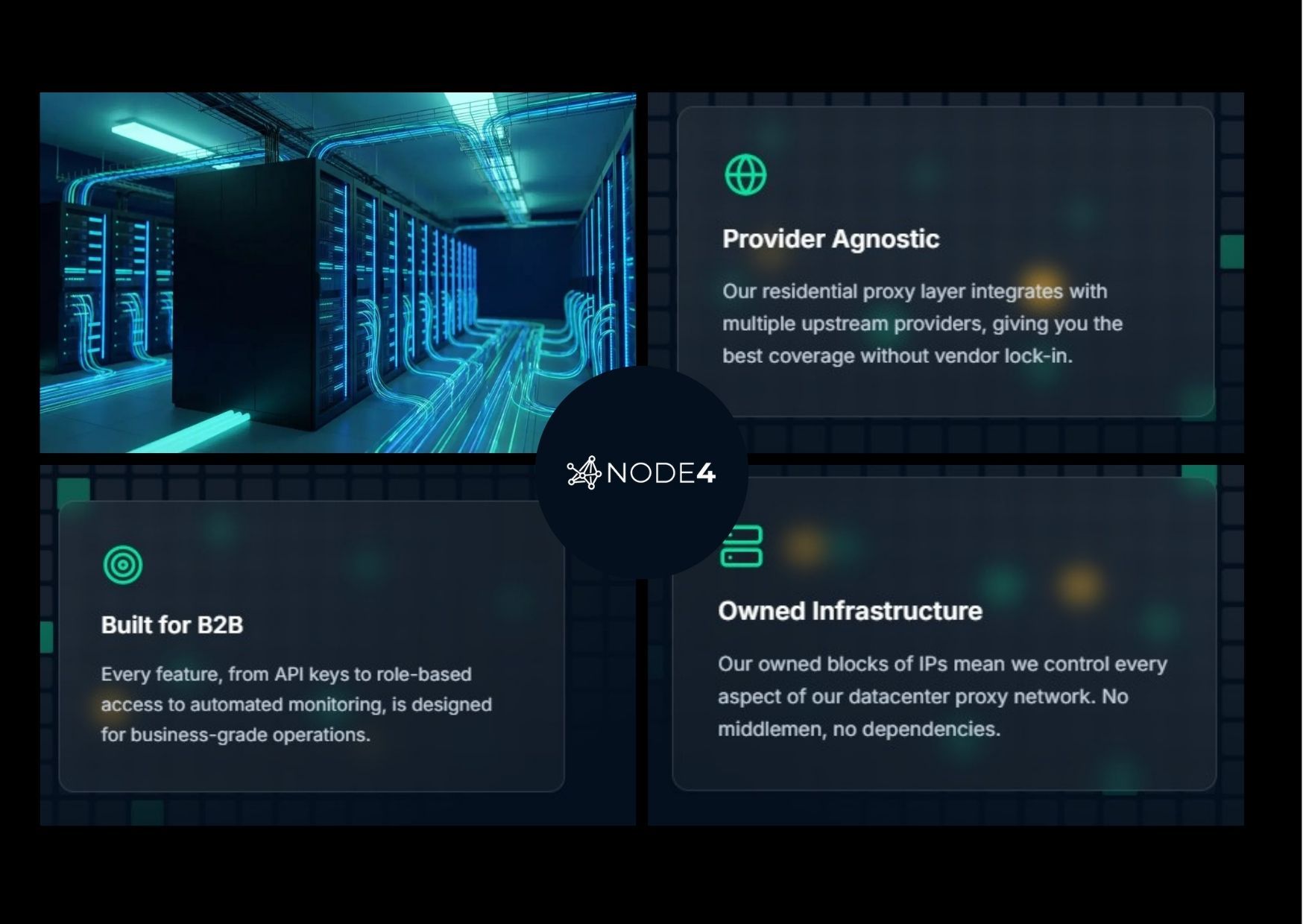
Choosing the right proxy strategy is less about chasing maximum speed and more about achieving dependable access and consistent results. An expert approach focuses on stability, realistic request pacing, and measurable reliability so your data collection pipeline keeps moving through real-world friction. When you align proxy behavior with scraping requirements, you reduce interruptions and improve the quality of collected datasets. For teams seeking flexible proxy solutions with stable connections and scalable scraping needs, node4.io can be a strong fit. Their approach is designed to simplify web scraping while supporting efficient data collection. If you want a practical path to smoother extraction and fewer disruptions, explore how node4.io can help you structure your proxy-based workflow effectively.