Measure Like a Pro Before You Shop
Start with accurate room measurements so your new floor covering feels intentional, not accidental. Use a tape measure to record the full width and length of the space where the rug will sit, then note any fixtures like fireplaces, built-in 8×10 area rugs shelving, or bay windows. If the rug will define a seating area, measure the distance between the front legs of your sofa and chairs to confirm the rug will visually “hold” the layout.
Next, confirm placement rules for common rooms to avoid common layout problems. For living rooms, aim for furniture to sit mostly on the rug, with at least the front legs anchored for a cohesive look. For dining areas, measure the table footprint and allow extra space so chairs can slide in and remain supported as guests pull them out. For bedrooms, consider whether you want the rug to extend under the bed or to frame the bed edges for a more tailored effect.
Match Style and Fiber to Your Lifestyle
Style is more than color; it’s how the pattern and texture interact with your existing decor. Decide whether you want a rug to be the anchor piece—like a bold geometric motif—or a calm foundation that lets artwork and furniture stand out. If your space wool area rugs already includes strong visual elements, choose a design with a softer pattern scale or a neutral palette. If your room feels flat, add personality with texture-rich weaves or a complementary pattern that echoes shapes in your decor.
Fiber choice affects both comfort and day-to-day care, so treat it like a checklist item rather than an afterthought. Consider how much foot activity the rug will receive and whether you need easy maintenance. If you have pets or frequent guests, prioritize durable construction and a design that can better conceal everyday wear while still looking polished.
Choose Color, Pattern, and Shape with Confidence
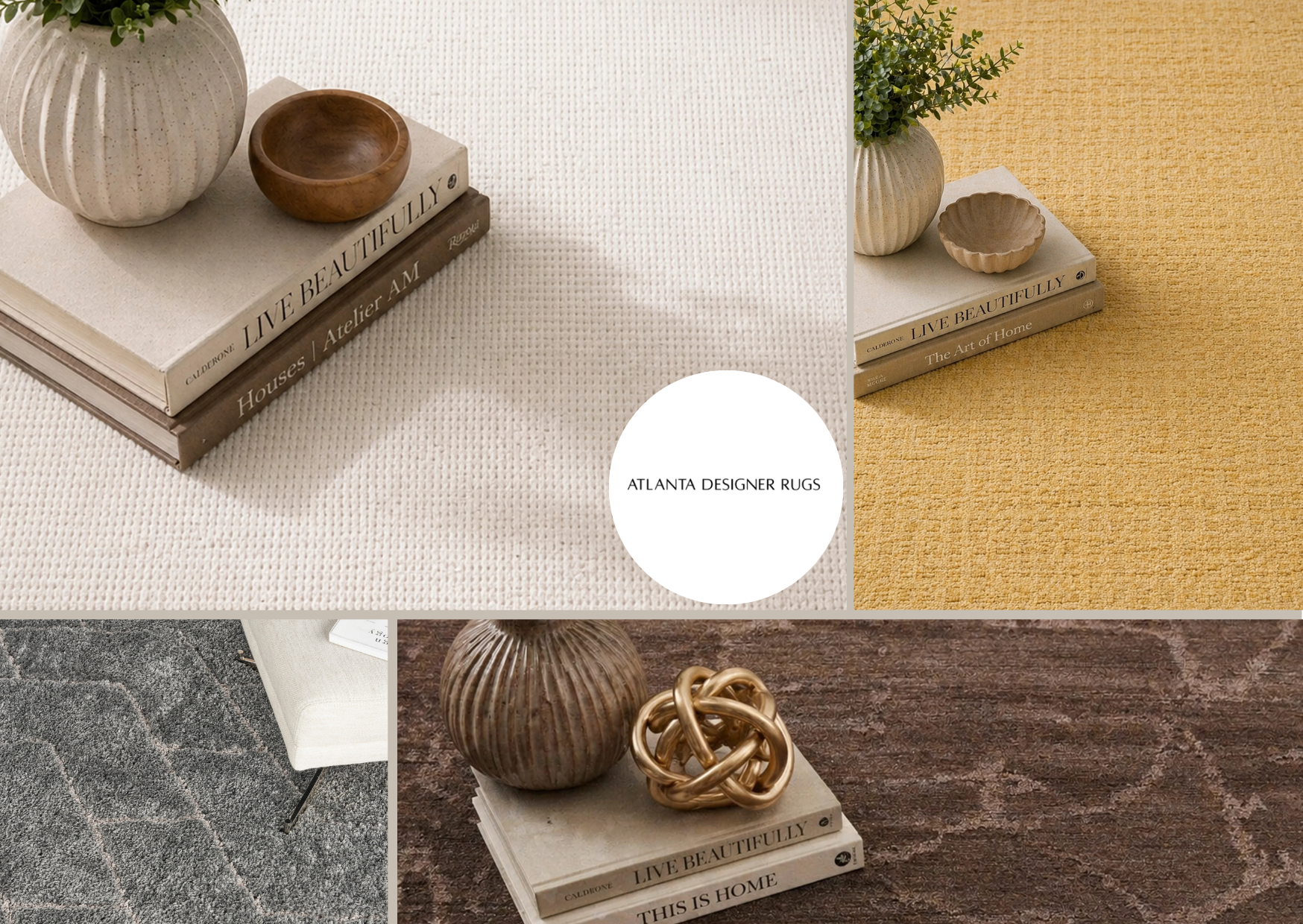
Use a simple color strategy to reduce guesswork when selecting a large rug. Pull two to three colors from your room—such as upholstery tones, wall paint, or wood finishes—and build the rug palette from those references. Lighter rugs can make a room feel airier, while deeper tones can add warmth and visual grounding. If you’re unsure, consider neutral backgrounds with interest in the weave or subtle pattern contrast so the rug remains versatile as you refresh decor.
Then evaluate pattern density and how it will read from the room’s main viewing angle. For open-concept spaces, choose a design that aligns with adjacent flooring and maintains visual continuity across sightlines. For smaller visual zones within a larger room, a bolder pattern can help define the area, but keep scale in mind so it doesn’t overwhelm the furniture. Decide whether you prefer a flat, minimal look or a more dimensional surface, and verify that the texture matches the comfort you want underfoot.
Conclusion
Before you finalize a purchase, run through a quick checklist: confirm measurements, plan furniture placement, choose a fiber that fits your lifestyle, and select a color and pattern that complements your room’s existing materials. This approach keeps your decision grounded and helps ensure the rug looks right from every angle, not just in a product photo. When you want a streamlined way to explore options, Atlanta Designer Rugs can help you narrow choices with expert guidance and curated designs. Using the right size and a style that matches your home makes a dramatic difference in both comfort and visual harmony. With fast shipping and support from a trusted selection of brands, you can feel confident that your choice works in your living room, bedroom, or dining space. If you’re shopping for Atlanta Designer Rugs, focus on fit, fiber, and design balance—those three details are the foundation of a rug you’ll love for years.