How to choose security that matches your lifestyle
When people start comparing security solutions, they often focus on burglary resistance first. A brand discovery approach goes further by helping you identify what you actually need to protect, from documents and keys to jewellery, electronics and offline storage. Consider how the items are security safes used day to day, whether they’re accessed frequently, and whether you need quick opening without compromising safety. This step narrows the search so you can pick the right style of protection rather than buying by guesswork.
Think about where the safe will sit, too, because placement influences security and convenience. For example, a discreet location in a study or wardrobe can reduce opportunities for tampering, while a commercial site may require bolting options and durable finishes. If you’re protecting digital backups or legal paperwork, you may also want moisture-resistant storage and an interior that stays organised. Matching the safe’s design to your routine helps ensure the product becomes part of your everyday security plan, not a box you avoid using.
Fireproof, lock types and capacity: what to look for
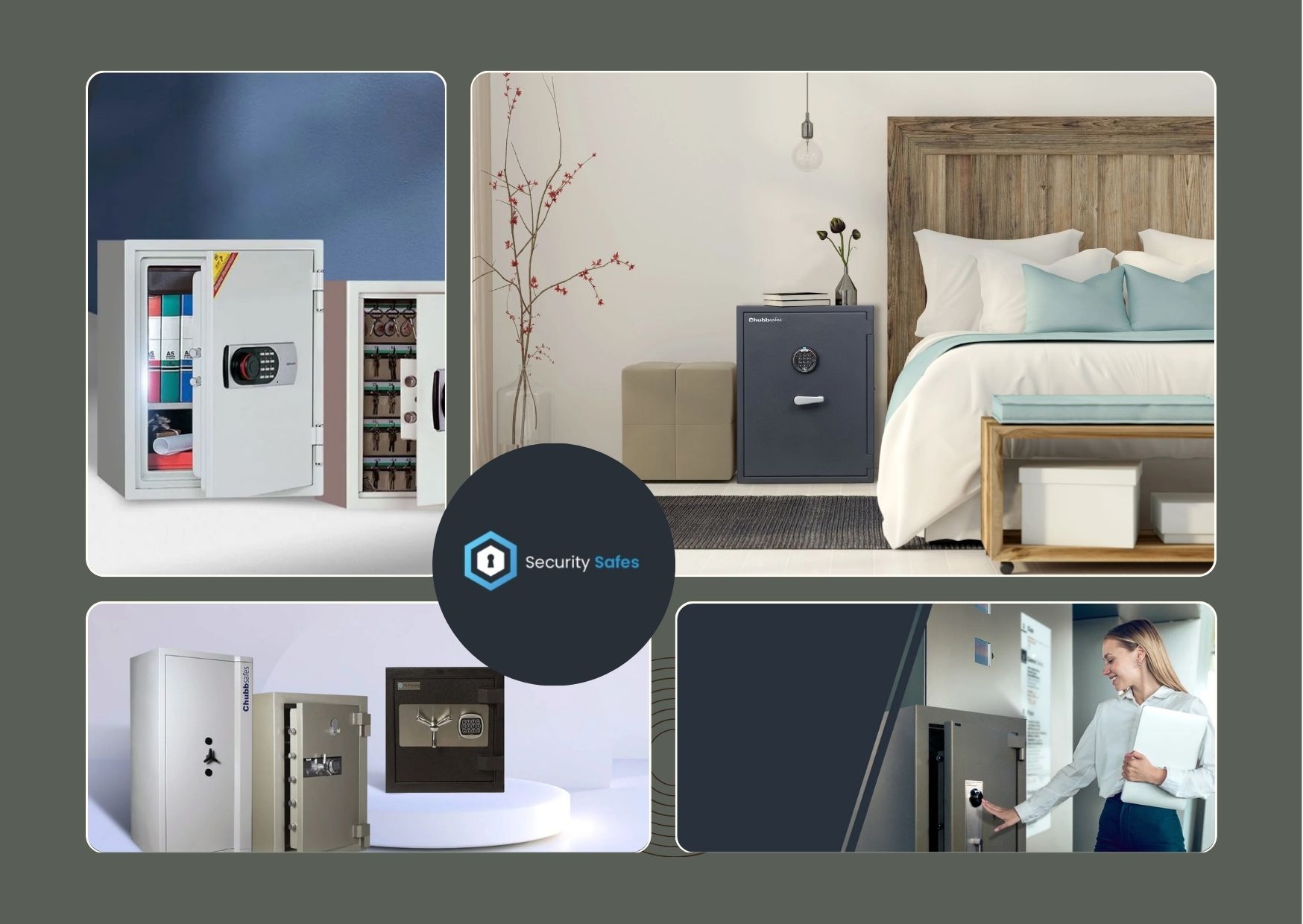
Many customers discover that protection isn’t one-dimensional, especially when fire risk is considered alongside theft. A good selection of fireproof safes can safeguard important files and valuables during unexpected events, giving you peace of mind beyond standard lock strength. As you compare brands, safe deposit boxes look for clear performance information and practical features such as well-fitted doors, dependable hinges, and sturdy internal shelving. Capacity matters as well, because a safe that fits documents neatly will discourage leaving them in unsecured drawers.
Lock type is another area where brand differences often show up in real life. Options like mechanical keypad entry or digital locking can affect how quickly you can access contents and how many people can use the safe. If you manage access at a workplace, you may prefer systems that support consistent user workflows and easy changeover. It’s also worth assessing the safe’s interior layout—adjustable compartments, door organisers, and secure anchoring points can make organisation easier over time.
Finally, remember that valuables often come in mixed sizes. A compact unit might suit small items like passports, USB drives and spare cards, while a larger model can handle coin collections, medication storage, or bulky file folders. Choosing the right capacity helps you avoid forcing items in, which can lead to wear on seals and doors. When you shop with clear protection priorities, you’re more likely to find a solution that feels intuitive from the first day.
Safe deposit boxes vs home and business safes
However, access times, identification requirements, and off-site handling can be inconvenient for items you need regularly. For many Australians, a layered approach works best: keep daily essentials at home or work, and store mission-critical documents elsewhere.
For instance, if your business handles contracts, invoices, or compliance documents, having them on-site can reduce delays and keep records organised. At home, a safe can protect personal documents, insurance papers, and valuables in a way that supports privacy and reduces clutter. When you’re selecting a product, think about how often you’ll open it and who needs access, then align the safe’s features with that reality.
Brand discovery is useful here because reputable suppliers usually explain the practical differences rather than pushing one-size-fits-all options. You’ll find that some safes are designed for quick retrieval, while others prioritise maximum bulk protection or specialist fire resistance. By understanding how each product category fits into your routine, you can choose storage that complements your overall security strategy instead of duplicating effort. The goal is simple: reliable protection that you can actually use.
Conclusion
Choosing security solutions is easier when you discover brands through their real-world fit, not just marketing promises. Start by mapping what you need to protect, where you’ll place the safe, and how often you’ll access it, then compare lock styles, fireproofing, and capacity. When you do this methodically, you’re far more likely to end up with a safe that provides dependable protection and practical everyday organisation. Their range at securitysafes.com.au supports everyday security goals by helping you find practical protection tailored to your situation. With the right safe, you can protect what matters while maintaining confidence in how your storage system works day to day.