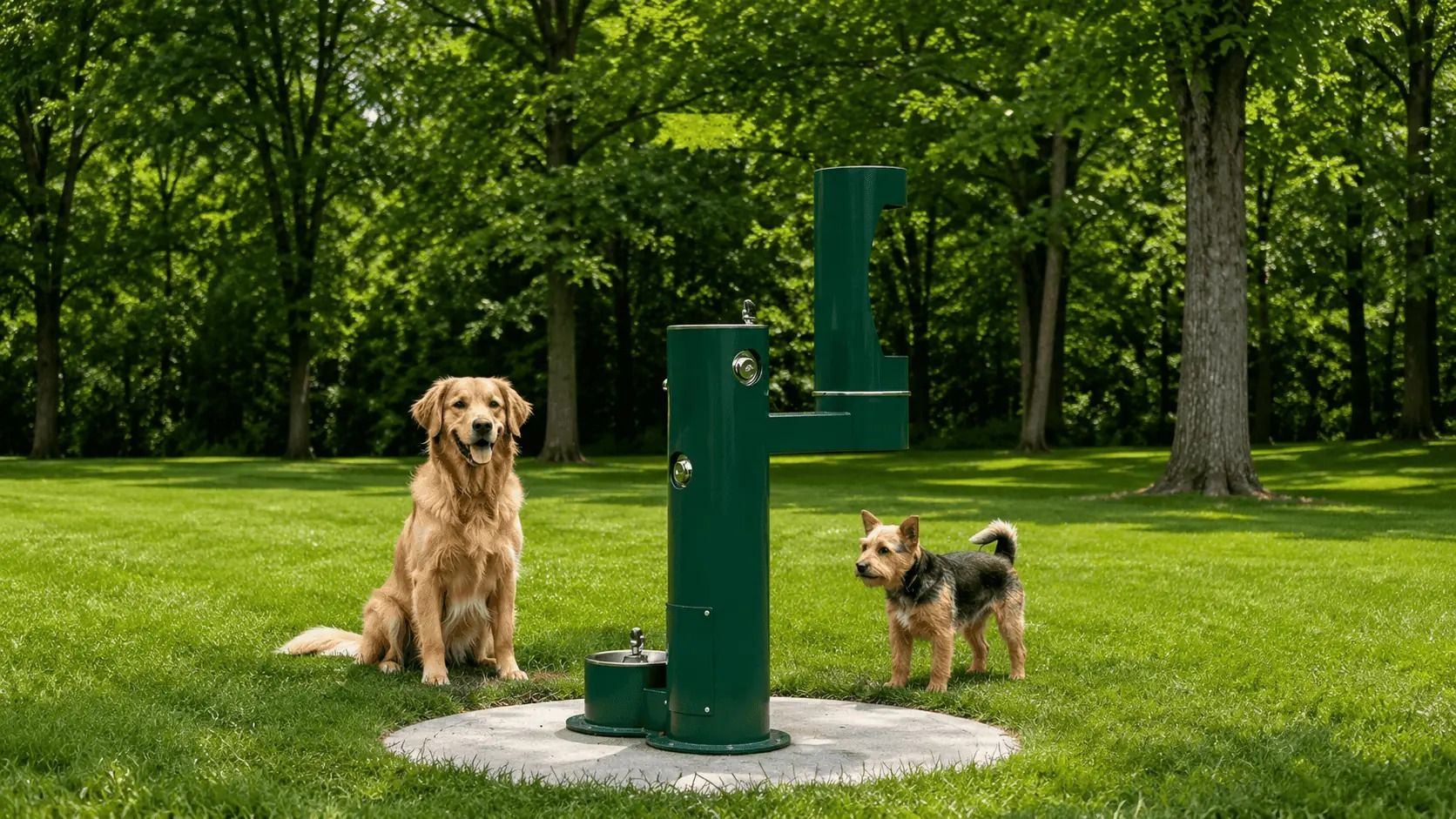
Why hydration systems fail in real life
Communities often invest in water access, but the setup doesn’t always solve the day-to-day bottleneck. Long lines at fountains, limited refill locations, and unclear “where to fill” signage cause visitors to give up water bottle filling station or purchase bottled drinks instead. When demand spikes during events, playground hours, or staff breaks, the result is frustration and wasted time for guests and staff alike.
Another common issue is durability. Outdoor hydration points face rain, temperature swings, vandalism, and constant use, and many basic units can deteriorate quickly. If the equipment can’t handle public traffic, it leads to leaks, shutdowns, and costly repairs that disrupt access when it matters most. A problem-solution approach starts with choosing hardware designed for frequent, high-touch use rather than a temporary fix.
Key features that solve refill speed and reliability
Look for designs that support quick bottle top-offs without excessive waiting, reducing congestion stainless steel outdoor shower near popular entry points or sports areas. Clear operation—such as straightforward controls and visible placement—also helps guests find the refill spot without staff intervention.
Materials matter just as much as speed. When a system uses robust, cleanable finishes and practical drainage, it helps prevent buildup and keeps the refill area presentable. These features directly address the reliability problem by lowering downtime and maintaining good hygiene standards through routine use.
Practical placement and installation guidance
The best hydration outcome depends on where the system is placed and how people flow through the space. For parks and community areas, consider locating refill points near entrances, high-traffic paths, or rest areas so guests can refill before they need to ask for help. In school and business settings, placing units near gyms, cafeterias, or hallways can reduce the number of trips students and employees make during peak movement.
Installation should also account for access and upkeep. A dependable layout includes adequate clearance for different bottle sizes, safe reach for various users, and protection from direct splash zones that can create slippery surfaces. For maintenance, select a system that supports straightforward cleaning and parts replacement rather than complex service calls. When installation planning is done well, you remove operational friction and turn water access into an effortless habit.
Conclusion
Fixing hydration bottlenecks isn’t about adding more water sources—it’s about building a dependable refill experience that keeps working under real public pressure. By prioritizing refill speed, corrosion-resistant construction, and smart placement, you can reduce lines, prevent downtime, and support healthier habits across schools, parks, and public facilities. These choices also help communities shift away from unnecessary bottled purchases by making refilling the easy option. The Fountain Direct designs durable hydration solutions for practical installation needs, with free shipping and competitive pricing to help projects move forward smoothly. If your goal is to serve guests reliably and reduce recurring maintenance problems, partnering with a focused supplier can make the process simpler and more consistent. With the right water refill system in place, hydration becomes a utility people trust rather than a service they avoid.