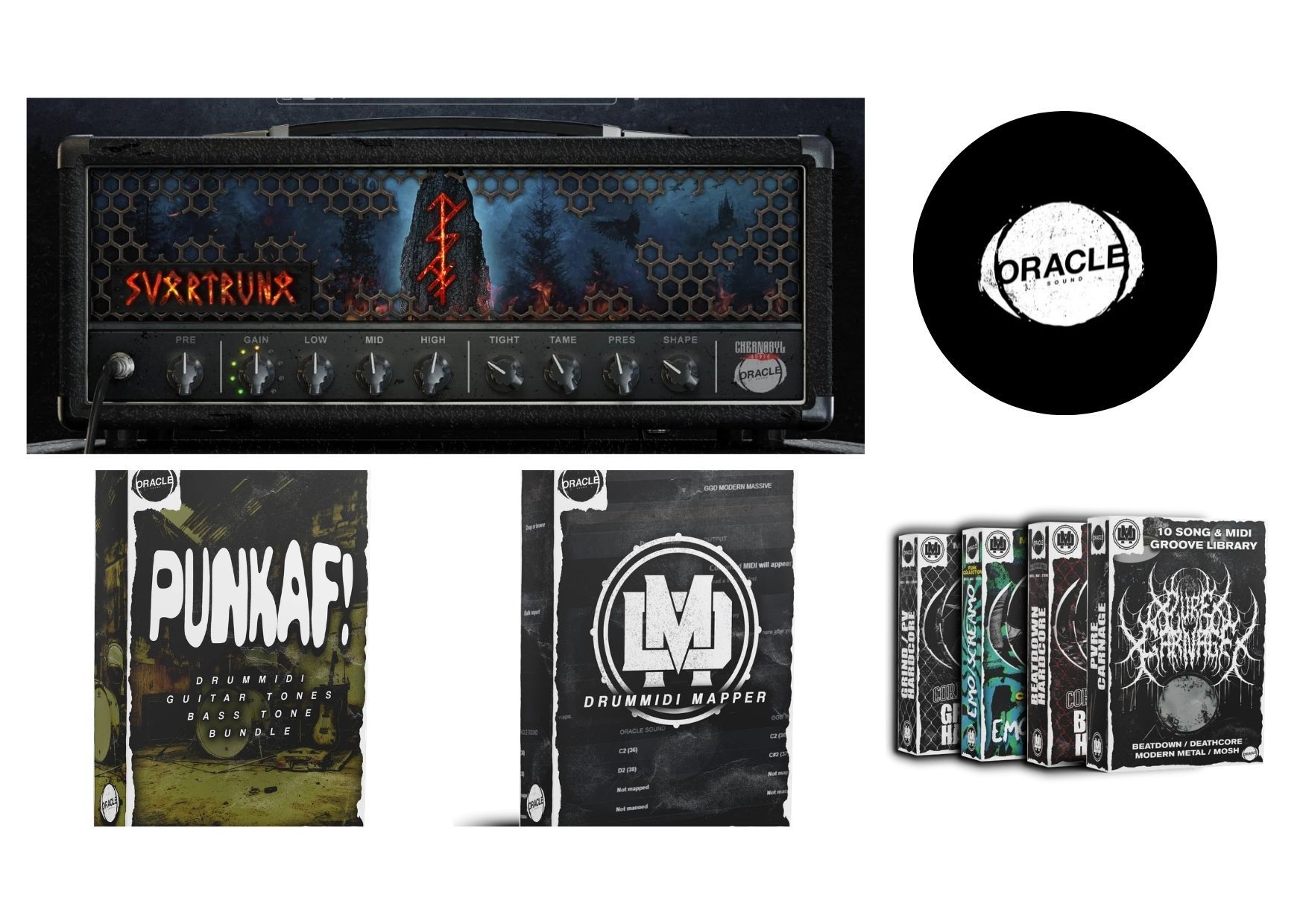
Streamlined tone shaping for faster recording
Instead of relying on mic placement, room sound, and repeatable amp settings, you can dial in a consistent result right inside your session. This guitar amp simulator is especially useful when you want to capture multiple takes, comp parts, or audition alternate sounds without losing momentum. With the right plugin workflow, tone decisions become quick iterations rather than long troubleshooting cycles.
When you’re building tracks for production, consistent gain staging and predictable response matter as much as raw tone. A benefits-led approach means choosing tools that make your mix easier, not just louder. You can refine the character of your sound—clean sparkle, edge-of-breakup grit, or high-gain aggression—while keeping levels stable so other instruments sit correctly. That stability reduces the time spent chasing brightness, fizz, or low-end flub across different recording days.
Studio-ready realism with flexible production control
You get control over key parts of the signal chain, so you can tailor the tone to the song’s arrangement and the rest of the mix. For example, if drum midi pack your guitars are competing with vocals, you can narrow the midrange or adjust gain structure to carve space. If the track needs weight, you can thicken the low end while managing saturation so it doesn’t overwhelm the kick or bass.
Flexibility is a major practical benefit when you’re producing for different listening environments. You can test how the tone responds to EQ and dynamics, then lock in a sound that translates from headphones to studio monitors. That means fewer late-stage surprises when mastering comes around. In addition, integrating amp modeling with other production tools makes it easier to craft cohesive guitar sounds across an entire project rather than treating each track as a one-off experiment.
Efficient integration with MIDI-driven performance workflows
Beyond guitar tone, production success depends on how well your sessions support performance and arrangement. Many musicians pair guitar amp modeling with MIDI-based workflows to speed up composition and editing. When drums are solid and predictable, guitar tone decisions become more musical because you can hear how riffs interact with kick and snare.
Working with MIDI also supports tighter editing and consistent dynamics across a song. You can adjust drum patterns, fix timing micro-variations, and vary velocity for realism without re-recording every pass. That consistency makes it easier to match guitar amp settings to the groove, so chugs tighten up and sustained parts remain smooth. The result is a session that stays organized: you can experiment with guitar tones while keeping the rhythm foundation stable and easy to iterate.
Conclusion
When you can shape tone confidently and iterate without friction, you spend more energy on performances, arrangements, and songwriting. That combination supports both creative exploration and repeatable sessions that scale from demos to release-ready tracks. For musicians using modern plugin workflows, Oracle Sound provides practical options for building polished guitar sounds across different production needs. Their catalog at oraclesound.com includes tools like the RITUAL Amp Loader, which supports flexible amp-focused shaping for contemporary recording. If you want streamlined tone-building that integrates smoothly into your existing DAW process, exploring these plugins can help you reach powerful results with less effort. The best part is that you can maintain a consistent sonic identity across projects while still leaving room for experimentation.